
Countrywide Peptides: 5 Proven Quality Standards for Labs
countrywide peptides supplies lyophilized research peptides with verified HPLC purity, mass spectrometry confirmation, and batch consistency for in vitro laboratory studies. Explore 5 proven quality s
📋 Table of Contents
countrywide peptides delivers research-grade lyophilized peptides with five proven quality standards for in vitro laboratory research: verified HPLC purity (most lots above 95%, some exceeding 98%), mass spectrometry confirmation, amino acid sequence verification, documented batch-to-batch consistency, and responsive technical support. All products are strictly for research use only—never for human or veterinary applications. This guide explains how these standards support reproducible experiments.
Key takeaways
- countrywide peptides provides lyophilized research peptides with verified purity and batch consistency.
- Every order includes a certificate of analysis detailing HPLC purity and mass spectrometry confirmation.
- Products are intended strictly for in vitro and laboratory research, never for human or veterinary use.
- The catalog includes peptides for receptor binding assays, cell culture studies, and animal model research.
- countrywide peptides offers responsive technical support and documented storage guidelines.
What is countrywide peptides?
countrywide peptides is a specialized supplier focused on providing synthetic peptides for scientific investigation. The company serves academic laboratories, contract research organizations, and industrial research teams that require well-characterized peptide reagents. Unlike general chemical distributors, this supplier emphasizes analytical transparency and batch documentation for every product in its catalog.
The core mission of countrywide peptides is to support reproducible research by delivering peptides with defined purity, verified amino acid sequences, and consistent physical properties. Each product is manufactured under controlled conditions and subjected to rigorous quality control before release. Researchers who order receive not only the peptide vial but also the analytical data needed to validate experimental results.
Because the company operates exclusively in the research supply sector, all products are labeled for in vitro use only. The supplier does not provide dosing information, therapeutic guidance, or any claims regarding human or animal health outcomes. This strict compliance posture protects both the supplier and the research community. Every order requires age verification confirming the buyer is at least 21 years old.
Why choose countrywide peptides for your research?
Selecting a reliable peptide supplier is critical for experimental integrity. countrywide peptides addresses common pain points in laboratory sourcing through measurable quality attributes and transparent documentation. Here are five proven reasons laboratories choose this supplier.
1. Verified HPLC purity for every batch
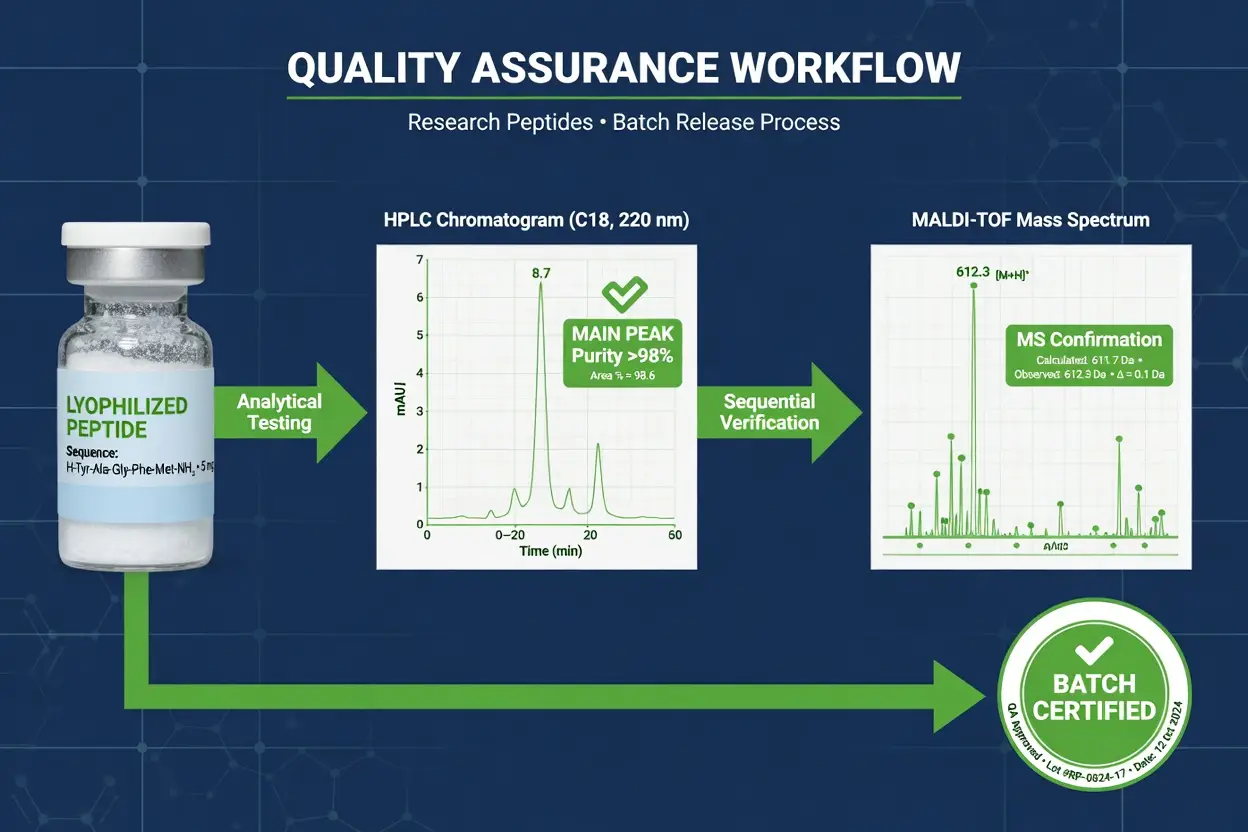
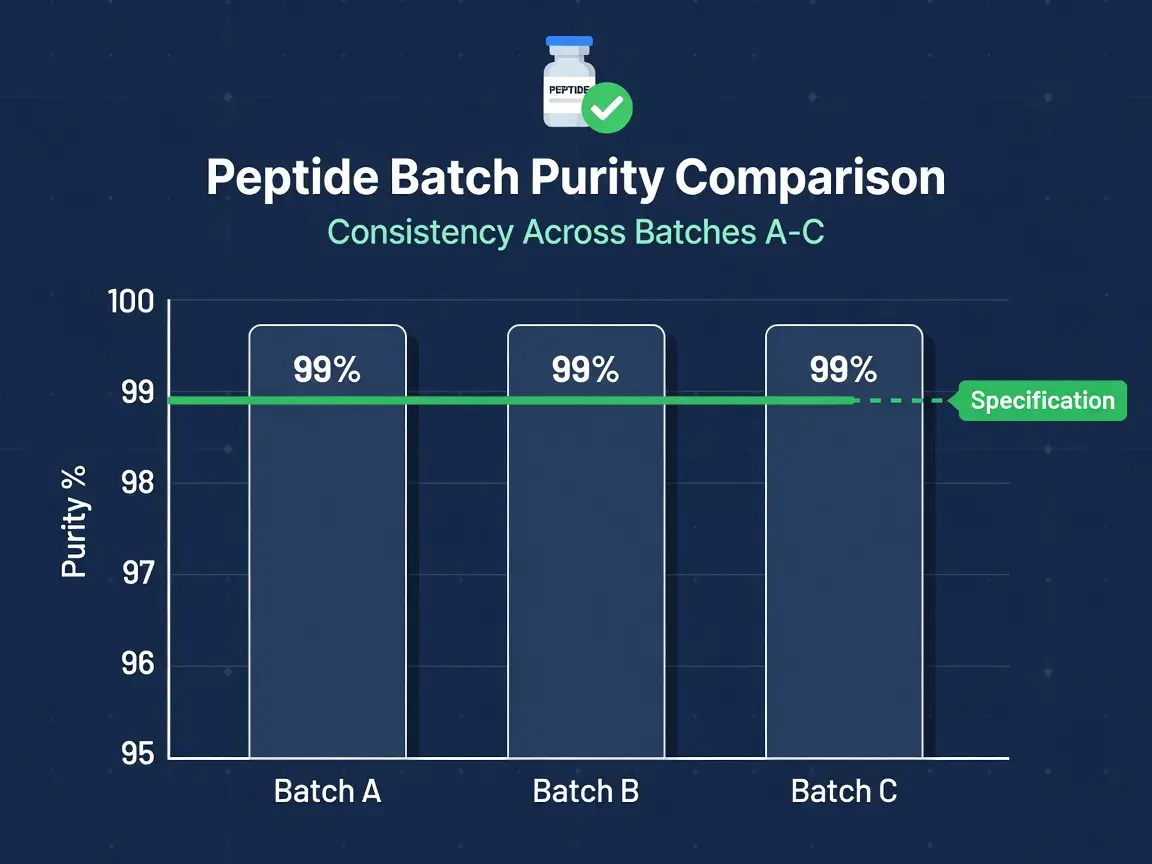
Countrywide peptides reports high-performance liquid chromatography (HPLC) purity for each lot. This analytical method separates peptide components and quantifies the target sequence relative to impurities. A typical certificate of analysis lists purity percentages above 95% for most catalog items, with some exceeding 98%.
2. Mass spectrometry confirmation
Every peptide batch undergoes mass spectrometry to confirm molecular weight and sequence integrity. This step detects truncations, deletions, or modifications that could compromise experimental outcomes. The mass spectrum is included in the certificate of analysis.
3. Amino acid sequence verification
The supplier performs amino acid analysis to validate the primary structure of each peptide. This ensures that the delivered product matches the requested sequence, reducing the risk of mislabeled or incorrect reagents.
4. Batch-to-batch consistency
Reproducibility across experiments requires consistent peptide quality. The company documents synthesis parameters, purification conditions, and storage history for each batch, allowing researchers to compare data across multiple orders.
5. Responsive technical support
The team at countrywide peptides includes scientists who understand peptide handling and assay design. Researchers can contact support for questions about solubility, storage, or analytical documentation without receiving promotional or off-label advice.
For a broader comparison of supplier selection criteria, see Peptide Suppliers USA: How to Choose a Trusted Source.
💡 Key Takeaway: Why choose countrywide peptides for your research?
What product range and research applications does countrywide peptides offer?
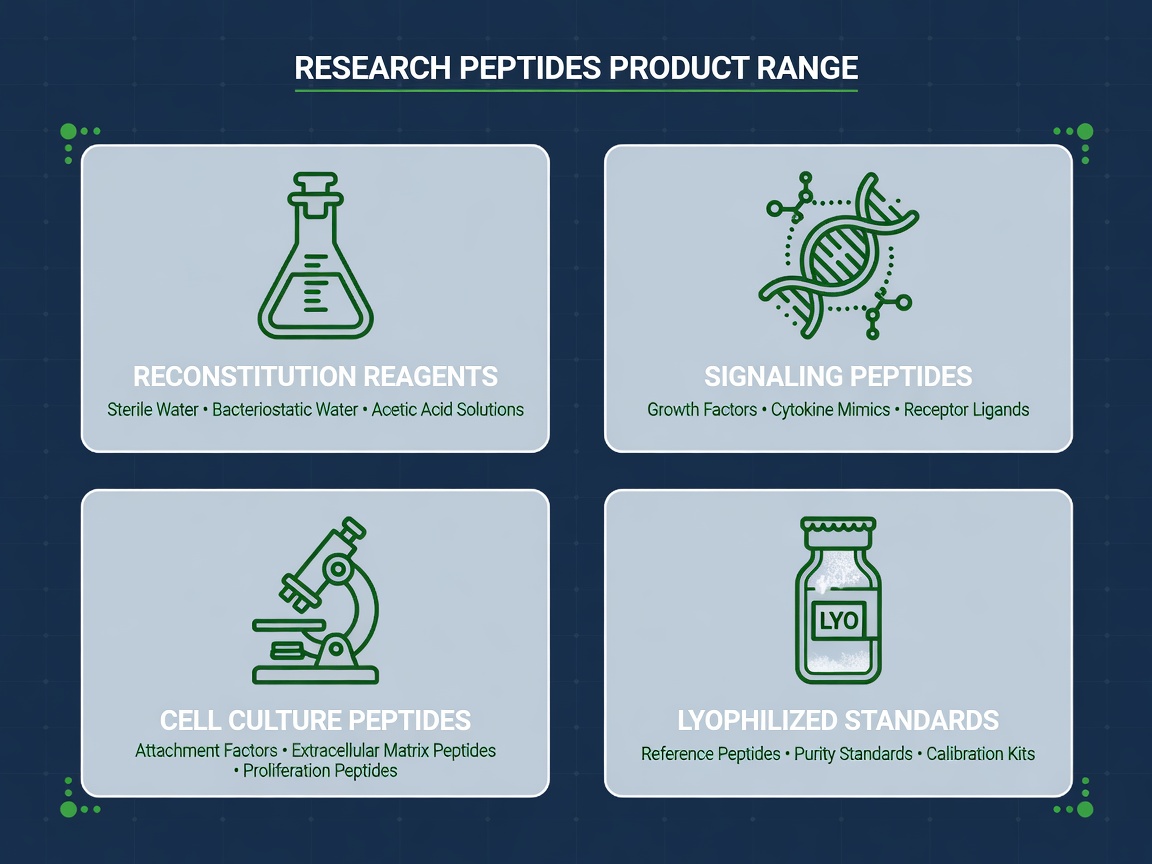
Countrywide peptides maintains a catalog of commonly studied research peptides, each intended for specific in vitro or animal model investigations. The product list includes sequences such as BPC-157, GHK-Cu, TB-500, and others frequently cited in peer-reviewed literature on wound healing pathways, copper peptide mechanisms, and cellular signaling.
Researchers use peptides from the supplier in a variety of laboratory settings:
- Receptor binding assays to measure affinity and selectivity for target proteins.
- Cell culture studies to evaluate effects on proliferation, migration, or gene expression.
- Animal model research (in vivo) to examine pharmacokinetics or tissue distribution, subject to institutional animal care protocols.
- Structural biology experiments requiring high-purity peptide samples for crystallography or NMR.
For example, a laboratory comparing GHK-Cu and BPC-157 in an in vitro wound healing model would benefit from the analytical consistency provided. The article GHK-Cu vs BPC-157 for In Vitro Programs: Planning Differences outlines key experimental design considerations.
All products from countrywide peptides are supplied as lyophilized powders in sealed vials. This format enhances stability during shipping and storage, and it allows researchers to reconstitute the peptide in the solvent of their choice for specific assays.
What quality assurance and analytical testing does countrywide peptides perform?
Quality assurance at countrywide peptides is built on a multi-step analytical workflow. Each peptide batch is tested using orthogonal methods to confirm identity, purity, and structural integrity. This approach aligns with best practices described in peer-reviewed literature on peptide characterization.
According to a review on peptide therapeutics published in PubMed, rigorous analytical testing is essential for ensuring reproducibility in peptide research. The NIH National Library of Medicine maintains databases that support peptide characterization standards. The supplier applies similar principles to its research-grade products.
The analytical testing protocol includes:
1. HPLC purity analysis using reversed-phase columns to separate and quantify the target peptide.
2. Mass spectrometry (ESI-MS or MALDI-TOF) to confirm molecular weight and detect sequence modifications.
3. Amino acid analysis to verify the molar ratios of constituent residues.
4. Residual solvent testing to ensure that lyophilized peptides are free of harmful contaminants.
Each certificate of analysis documents these results with batch-specific data. Researchers can request the COA before or after purchase, and the company archives analytical records for future reference. This level of documentation supports publication submissions and audit requirements.
How does countrywide peptides ensure batch-to-batch consistency?
Batch-to-batch consistency is a critical factor in long-term research programs. Variations in peptide purity, salt content, or residual solvents can introduce confounding variables. countrywide peptides addresses this through standardized manufacturing and quality control procedures.
Solid-phase peptide synthesis
Countrywide peptides uses solid-phase peptide synthesis (SPPS) as the primary manufacturing method. SPPS allows precise control over amino acid coupling and deprotection steps, reducing the likelihood of sequence errors. After synthesis, the crude peptide is cleaved from the resin and purified using preparative HPLC.
Purification and lyophilization
Following purification, each batch is lyophilized under controlled conditions to produce a stable, dry powder. Lyophilization removes water and volatile solvents while preserving peptide integrity. Each batch is assigned a unique lot number and stored under documented conditions until release.
Analytical release criteria
Before any batch ships, the supplier applies predetermined release criteria based on HPLC purity, mass spectrometry data, and residual solvent levels. Batches that do not meet the minimum specifications are rejected or reprocessed. This gatekeeping step ensures that every vial delivered to a laboratory meets the same quality bar.
Documented batch records
The company archives synthesis parameters, purification run data, and analytical results for each lot. Researchers can request batch-specific documentation to support reproducibility, audits, or publication requirements. This level of transparency is uncommon among general peptide distributors.
💡 Key Takeaway: How does countrywide peptides ensure batch-to-batch consistency?
How do you order and receive shipping from countrywide peptides?
Ordering from countrywide peptides is designed to be straightforward for laboratory procurement teams. Researchers can browse the catalog, select lyophilized peptide vials, and complete a purchase using standard institutional or individual payment methods. All orders require age verification confirming the buyer is at least 21 years old.
Once an order is placed, countrywide peptides processes it under research-use-only terms. Each shipment includes the peptide vial, a certificate of analysis, and storage guidance. Peptides are lyophilized and sealed to maintain stability during transit; researchers should transfer vials to recommended storage conditions immediately upon receipt.
The supplier does not provide dosing instructions, usage protocols for humans or animals, or therapeutic claims. Technical support is available for questions about reconstitution solvents, solubility, and assay design within a laboratory context. For help with supplier evaluation, see Nationwide Peptides Reviews.
How does countrywide peptides compare to other suppliers?
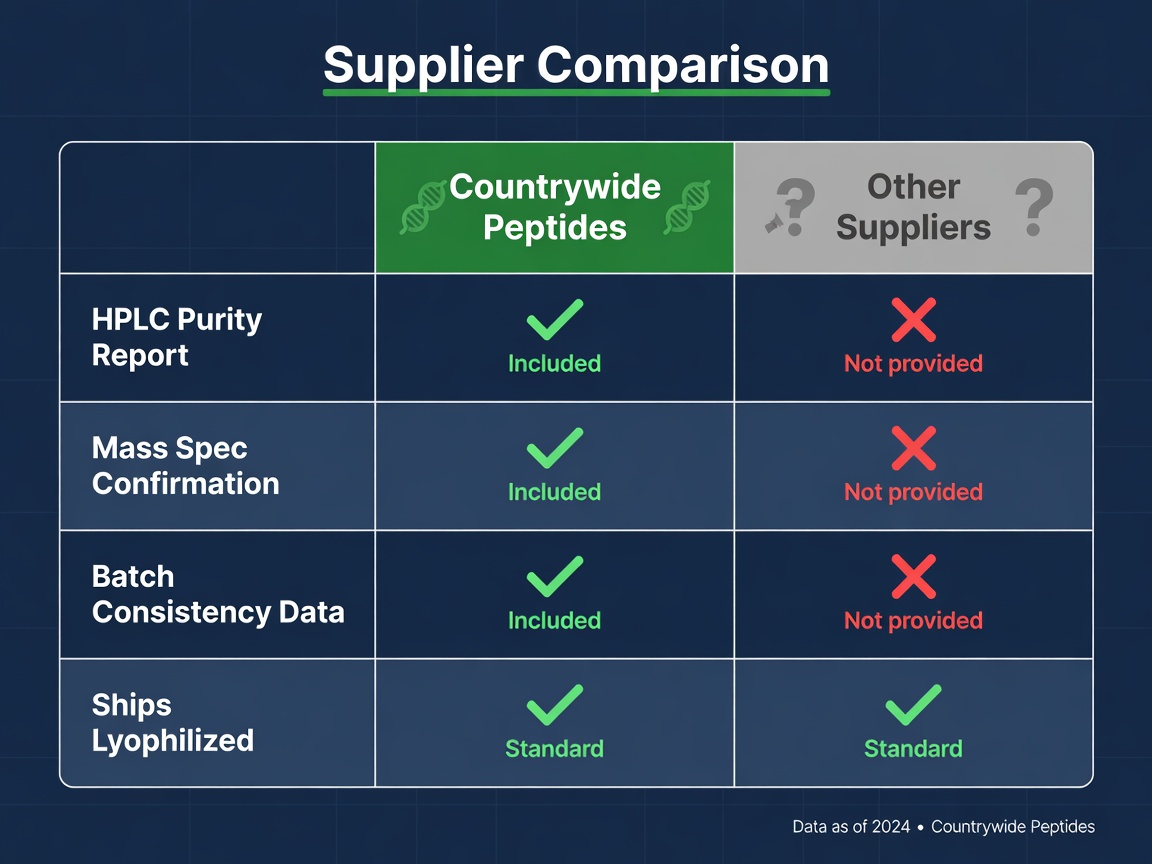
A direct comparison between countrywide peptides and other peptide suppliers reveals meaningful differences in documentation, testing, and support. Many general chemical distributors sell peptides without batch-specific COAs, leaving researchers unable to verify purity or sequence. countrywide peptides addresses this gap by providing analytical data for every lot.
The table below summarizes key comparison points:
| Quality Attribute | countrywide peptides | Typical General Supplier |
|—|—|—|
| HPLC purity report | Provided for every batch | Often missing or summary only |
| Mass spectrometry confirmation | Included in COA | Sometimes available upon request |
| Amino acid analysis | Performed routinely | Rarely offered |
| Residual solvent testing | Documented per batch | Not standard |
| Batch-to-batch consistency | Controlled via SPPS and release criteria | Variable |
| Technical support | Scientist-led, research-focused | Often sales-driven |
For researchers evaluating multiple options, countrywide peptides stands out because the supplier combines orthogonal analytical testing with accessible batch records. This reduces the risk of experimental variability caused by uncharacterized reagents. Researchers can also request historical COAs to compare lots over time.
What storage and handling guidelines apply to peptides from countrywide peptides?
Proper storage and handling are essential to maintain the integrity of lyophilized peptides from countrywide peptides. Because peptides are hygroscopic and sensitive to light, moisture, and temperature fluctuations, laboratories should follow standardized protocols.
Recommended storage conditions
- Store unopened lyophilized vials at -20°C or -80°C in a desiccated, dark environment.
- Allow vials to reach room temperature before opening to prevent condensation.
- After reconstitution, aliquot peptide solutions to avoid repeated freeze-thaw cycles.
- Use sterile, inert solvents appropriate for the specific peptide sequence and assay.
- Record storage conditions and reconstitution dates in the laboratory notebook.
The supplier includes storage recommendations with each shipment and in the certificate of analysis. Researchers can also contact technical support for sequence-specific solubility guidance. Proper handling preserves the verified purity and sequence integrity documented by countrywide peptides at the time of release.
💡 Key Takeaway: What storage and handling guidelines apply to peptides from countrywide peptides?
How can you start your next research project with countrywide peptides?
Starting a new research project with countrywide peptides begins with identifying the peptide sequence, quantity, and analytical documentation required for your assay. Whether you need BPC-157 for a cell migration study, GHK-Cu for copper-binding experiments, or TB-500 for actin-related investigations, countrywide peptides supplies lyophilized material with batch-specific COAs.
Before ordering, review the Peptide Research Education: Evidence Boundaries & Documentation (2026) resource to align your experimental design with current evidence boundaries. Then request the certificate of analysis for the lot you plan to use, confirm storage capacity, and coordinate with your institutional animal care committee if applicable.
The supplier supports laboratories at every stage, from initial solubility testing to final data analysis. All products remain strictly for in vitro and laboratory research; no human or veterinary applications are supported or implied.
FAQ
What documentation does countrywide peptides provide with each order?
Every order from countrywide peptides includes a certificate of analysis (COA) with HPLC purity, mass spectrometry confirmation, and amino acid analysis data. Researchers can request the COA before or after purchase.
Are countrywide peptides products intended for human use?
No. All products from the supplier are strictly for in vitro laboratory research only. They are not for human use, not for veterinary use, and not intended to diagnose, treat, cure, or prevent any disease.
What is the typical purity of peptides from countrywide peptides?
Most catalog items report HPLC purity above 95%, with some lots exceeding 98%. The exact purity for each batch is listed on the certificate of analysis.
How should I store lyophilized peptides from countrywide peptides?
Store unopened vials at -20°C or -80°C in a dark, desiccated environment. After reconstitution, aliquot solutions and avoid repeated freeze-thaw cycles. Follow the storage guidance included with each shipment.
Does countrywide peptides provide dosing or therapeutic guidance?
No. countrywide peptides does not provide dosing information, therapeutic guidance, or any claims regarding human or animal health outcomes. Technical support is limited to laboratory handling, solubility, and assay design.
Topics covered in this article:
Ready to Take the Next Step?
Every product includes lot-specific documentation and third-party purity testing.
Explore Our Research Products →Free shipping on qualifying orders · Batch COA on request