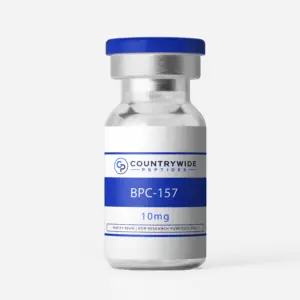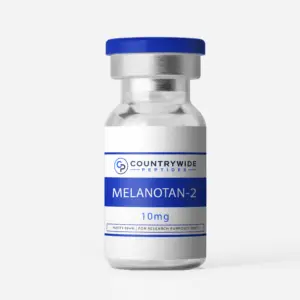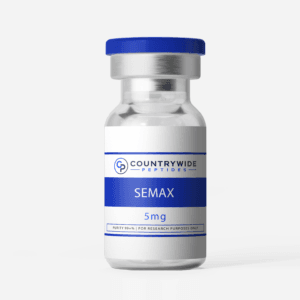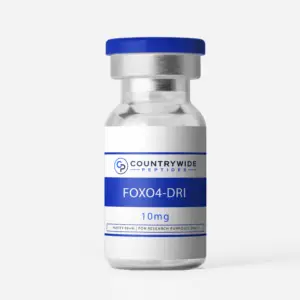

For Research Use Only. Not for human use.
Overview
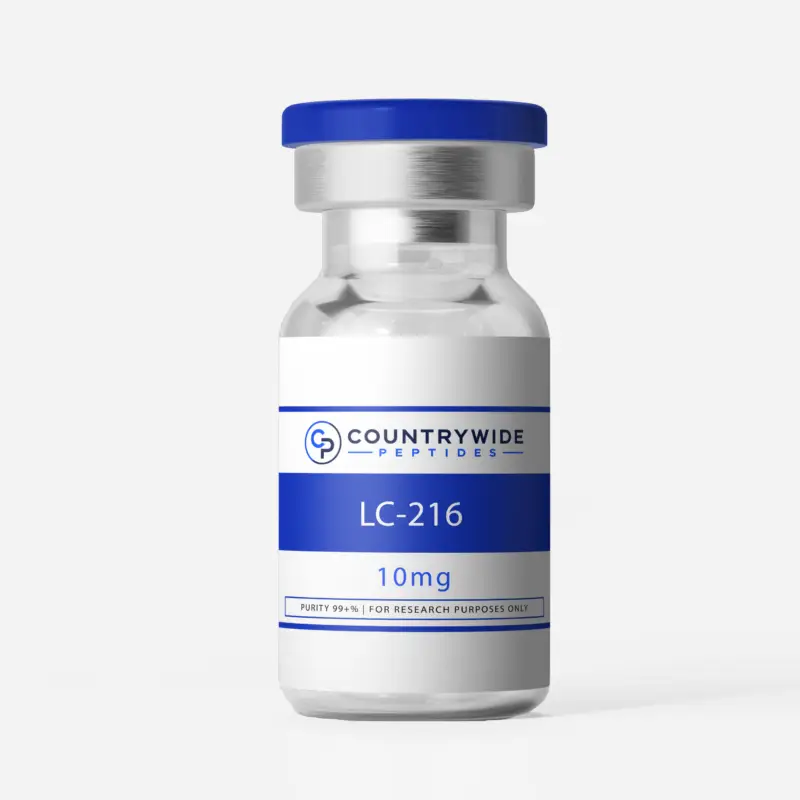
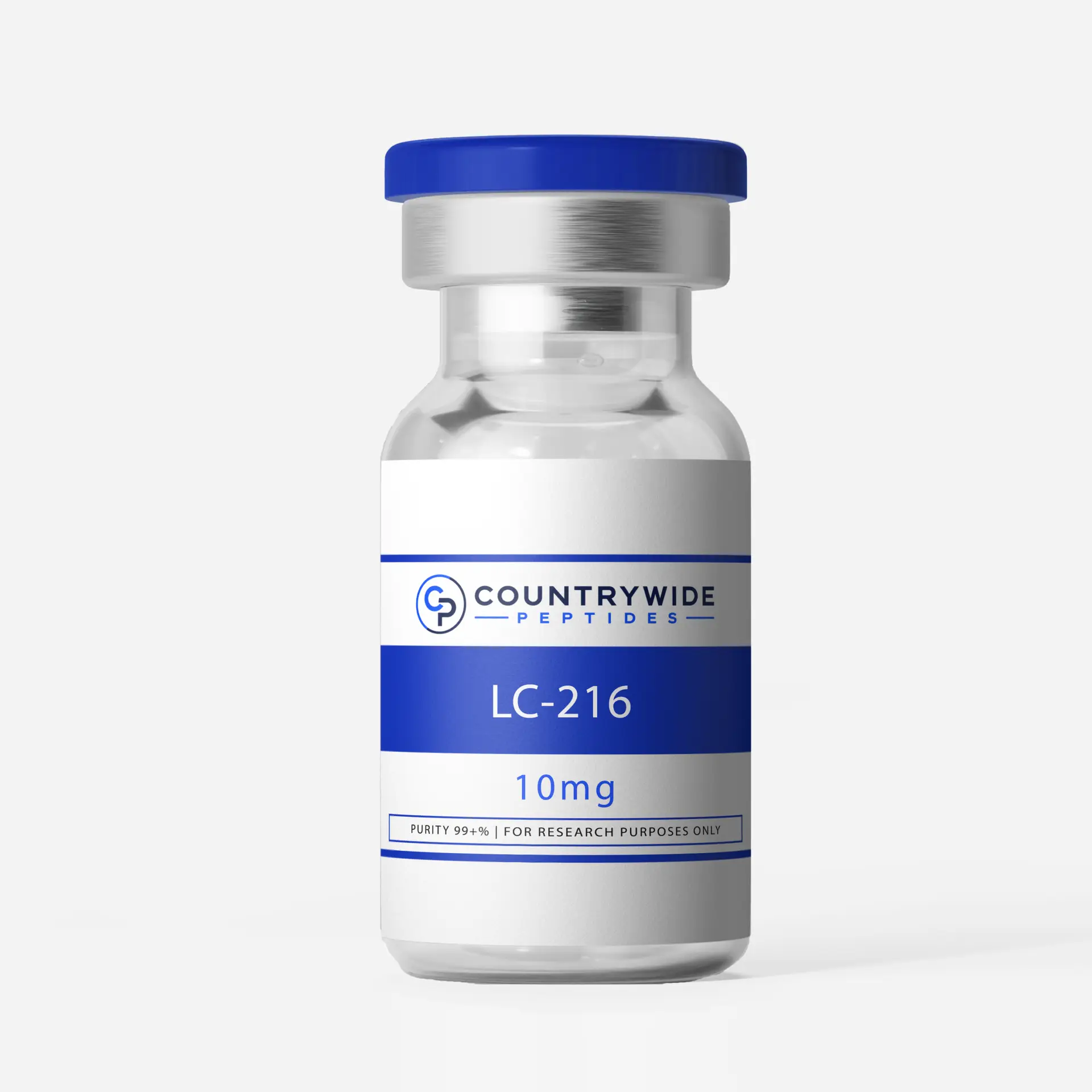
Countrywide Peptides catalogs LC-216 Peptide for institutions running characterized peptide inputs for controlled laboratory investigation. The listing is written for procurement officers and bench scientists who need clear research-only labeling, lot continuity, and documentation you can file with study records.
Specify LC-216 Peptide when your protocol calls for a characterized peptide input under validated reconstitution and custody procedures—not for clinical, veterinary, or consumer programs.
Receiving teams can match vial identity to the purchase order before the material enters active inventory, keeping coast-to-coast shipments aligned with your internal QA checklist.
Where LC-216 Peptide Fits in Lab Workflows
Programs using LC-216 Peptide typically emphasize in vitro systems, assay development, and mechanistic model work.
Confirm lot identifiers up front so plate maps stay comparable across repeats, multi-site collaborations, and method transfers.
Literature can suggest starting ranges; each lab still validates detection chemistry, incubation windows, and instrument settings on its own benches.
Run small pilot plates before scaling—especially when buffer lots or readout methods are still being locked.
Quality Signals Laboratories Expect
Catalog expectations for this material include:
- Research-grade supply intended only for laboratory investigation
- Procurement-ready labeling suited to institutional purchasing channels
- Support for method development and comparative screening workflows
- Lot documentation available where provided for the shipped batch
Intake, Reconstitution, and Bench Discipline
Receiving Checks
Before opening LC-216 Peptide, verify the label against the PO and packing list. Hold outer packaging until identity checks clear, and escalate damaged seals before experimental use.
Reconstitution Practice
Follow institutional SOPs for weighing, reconstitution, aliquoting, and storage. Log lot numbers before the vial is opened, and confirm solvent and storage temperature against your validated process.
Stage buffers and consumables first to shorten open-vial time. Label unused aliquots with date, solvent, and concentration.
Custody Notes
Track freezer or bench transfers. Use dedicated tools to limit cross-contamination, avoid unnecessary freeze–thaw cycles, and note cold-chain interruptions even when seals remain intact.
Why Research Buyers Specify LC-216 Peptide
Laboratories often select this SKU because it supports:
- Explicit research-use labeling for compliance-aligned purchasing
- Stable product identity across multi-lot timelines
- Fit for reference, screening, and mechanistic models
- Responsive catalog support from Countrywide Peptides when documentation questions arise
COA Review and Study Traceability
Before experimental work with LC-216 Peptide, review any COA or quality files shipped with the lot and keep them with the study binder.
Stay within the labeled research context and your institutional requirements.
Method Development
Start with pilot plates, then expand. Record buffer lots, incubation times, and detection settings beside the material lot number. If baselines shift, re-check reconstitution volume and storage history first.
Inventory Discipline
Update inventory when a new lot of LC-216 Peptide is opened. Train staff on labeling conventions, share SOP plus lot metadata when transferring methods, and dispose of residual solutions per chemical hygiene rules—never for non-laboratory use.
For Research Use Only. Not for human or animal use. Not intended to diagnose, treat, cure, or prevent any disease.