

TB-500 Literature Themes for Laboratory Evaluation Teams
500 peptide benefits research guide for lab teams: 7 proven themes covering cytoskeletal dynamics, migration assays, and COA documentation. Research use only.
📋 Table of Contents
The 500 peptide benefits research guide for laboratory evaluation teams distills peer-reviewed themes around cytoskeletal dynamics, migration assays, and documentation benchmarks into a practical evaluation framework for in vitro research models. The core question—how should bench scientists use published TB-500 literature themes to design reproducible pilot plates and audit supplier claims—is answered by focusing on mechanistic readouts, assay variability, and certificate-of-analysis (COA) documentation, never on dosing or human use. This 2025 guide is strictly for research use only.
Key takeaways
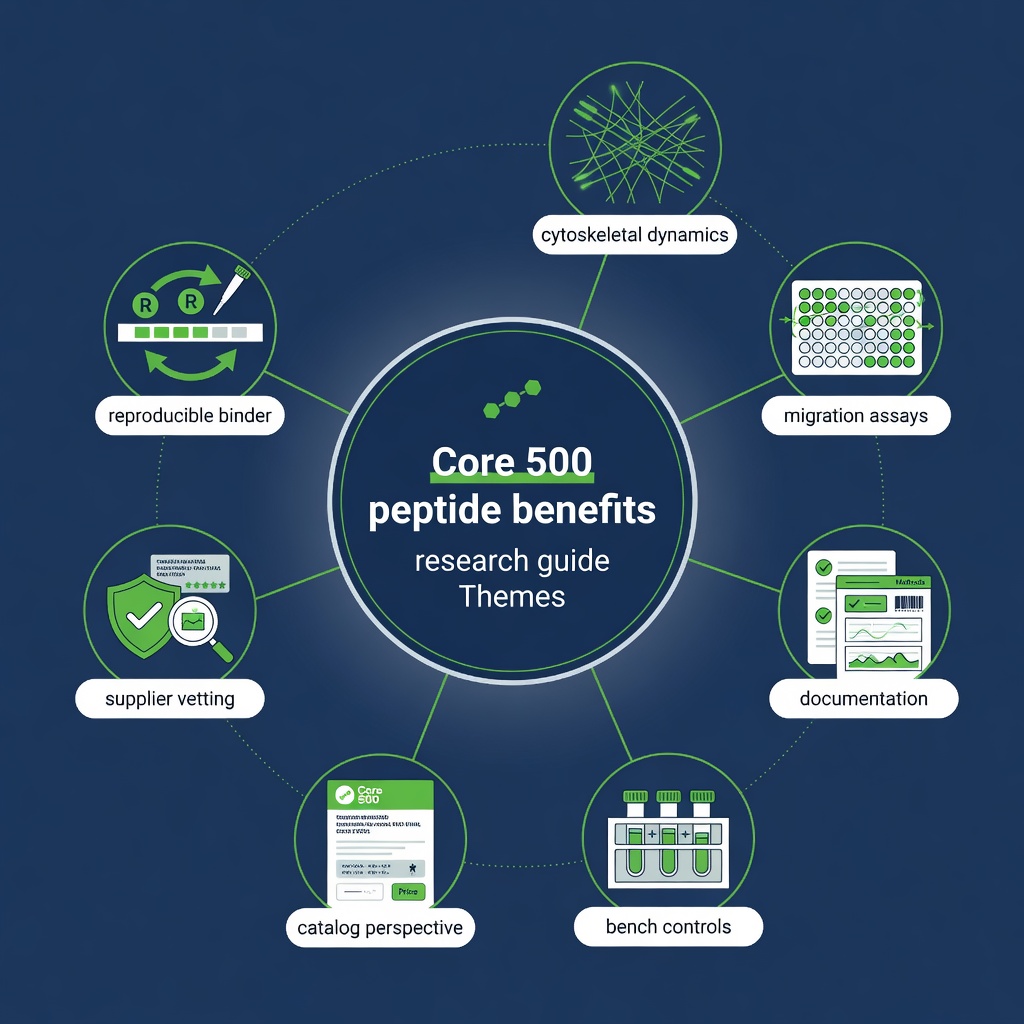
- 500 peptide benefits research guide themes center on cytoskeletal dynamics and migration assays as context for experimental design, not as treatment guidance.
- Documentation practices—lot number, receipt date, reconstitution solvent, concentration, aliquot map, plate map, detection settings—form the backbone of reliable 500 peptide benefits research guide evaluations.
- Bench controls require tight custody, clean dedicated tools, documented cold-chain exceptions, and small pilot plates before large unverified runs.
- Catalog evaluation should prioritize research-labeled material, COA availability, and institutional purchasing documentation.
- Countrywide Peptides supplies research-labeled TB-500 with documentation practices aimed at institutional purchasers; support is available through the vendor’s listed email.
⚠️ Research Use Only Notice: The products discussed on this site are sold strictly for in vitro laboratory research purposes only. They are not for human use, not for veterinary use, and not intended to diagnose, treat, cure, or prevent any disease. All information presented is for educational purposes in a research context. Must be 21+ to purchase.
What Are the Core 500 peptide benefits research guide Themes for Laboratory Evaluation Teams?
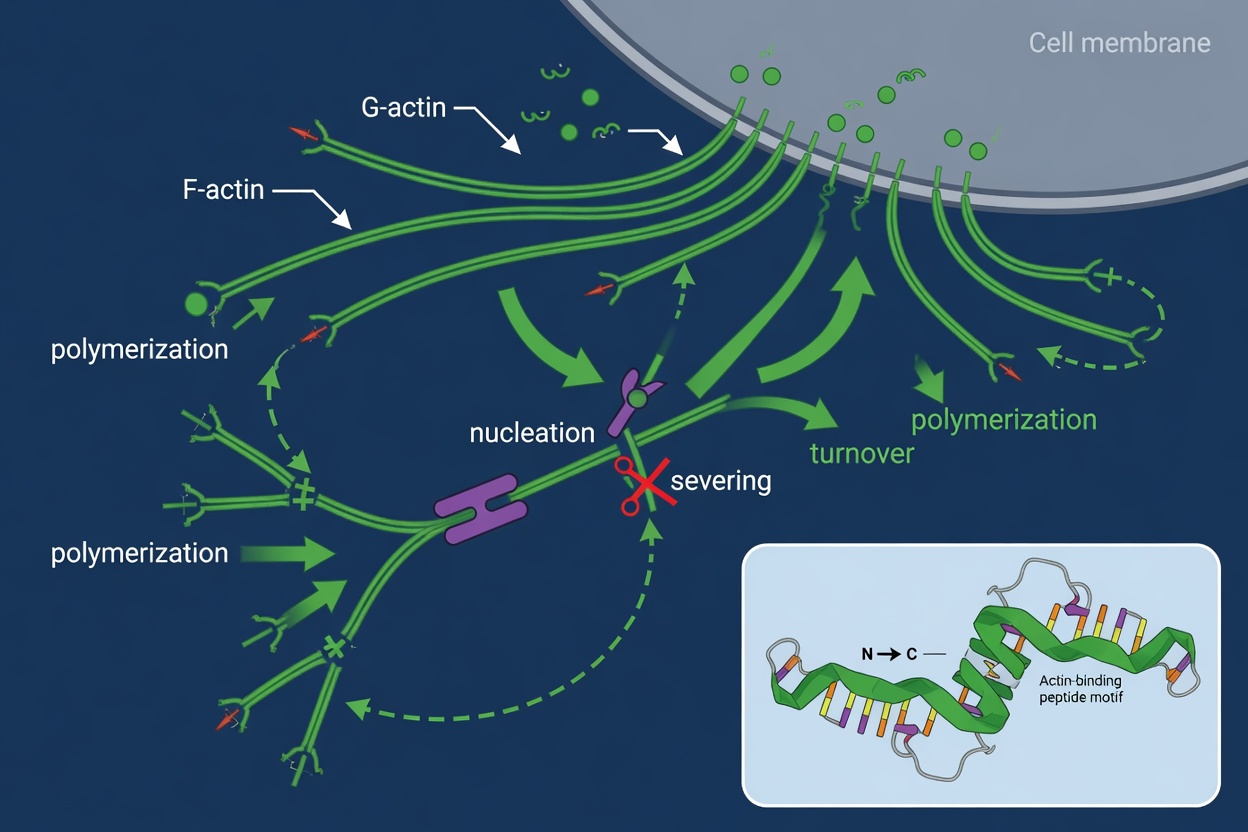
Publications discussing TB-500 often frame the peptide around cytoskeletal dynamics, migration assays, and related mechanistic models. For laboratory evaluation teams, the first step is to treat those papers as context for experimental design, not as dosing or treatment instructions. The 500 peptide benefits research guide therefore starts with a literature triage: identify whether a study uses in vitro or in vivo models, what readouts it reports, and whether the peptide lot documentation matches the team’s own binder standards.
A second core theme is the separation of mechanistic observation from therapeutic implication. Many papers describe actin polymerization, cell motility, or wound-closure surrogates, but those findings do not translate to human use. Teams should record the exact assay type, time points, and controls when reviewing 500 peptide benefits research guide literature.
For example, a PubMed search for thymosin beta-4 and cell migration returns peer-reviewed studies that evaluation teams can use to benchmark their own pilot plates. The 500 peptide benefits research guide should flag any paper that omits lot numbers, solvent details, or cold-chain exceptions, because those omissions undermine reproducibility.
How Do Cytoskeletal Dynamics Appear in 500 peptide benefits research guide Literature for Laboratory Evaluation Teams?
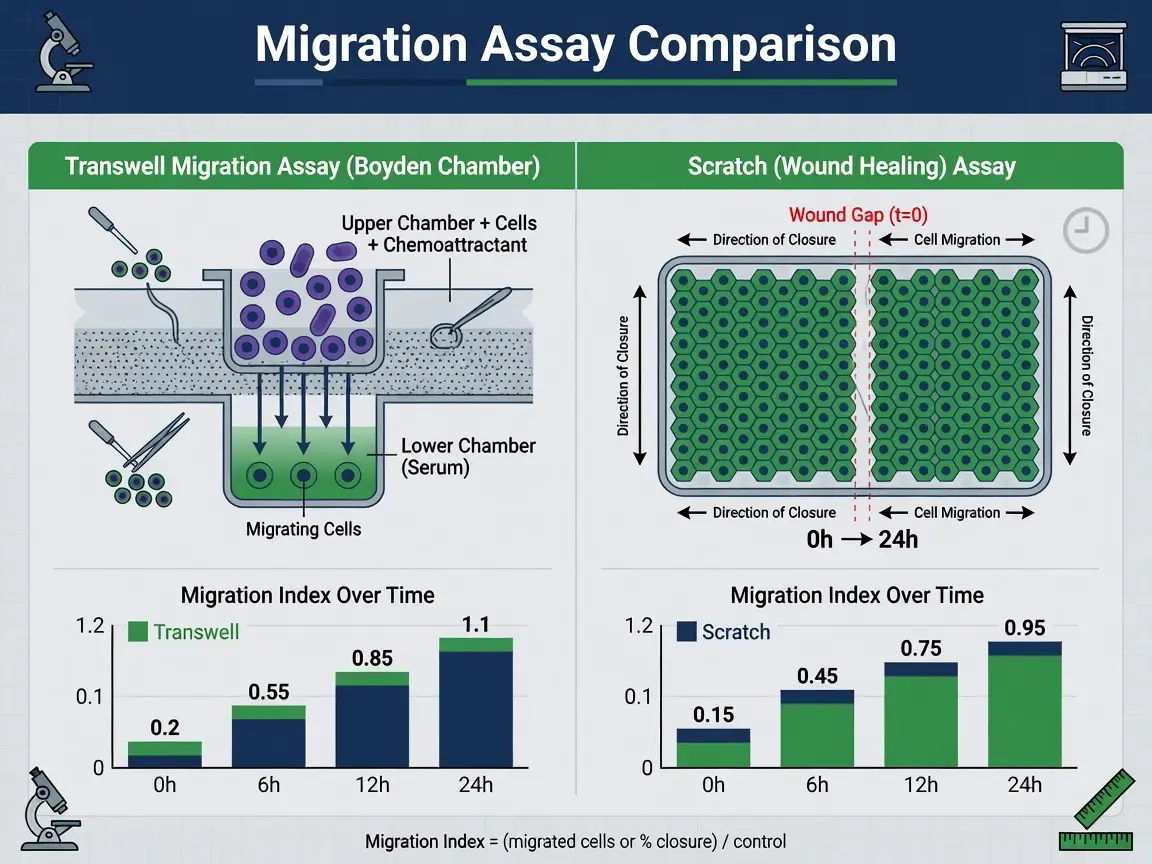
Cytoskeletal dynamics appear as the most common mechanistic thread in peer-reviewed 500 peptide benefits research guide work. Studies often quantify actin filament reorganization, focal adhesion turnover, or lamellipodia formation in cell culture models. Laboratory evaluation teams should note whether the paper reports quantitative metrics—such as fluorescence intensity ratios or migration speed—or only qualitative images.
The 500 peptide benefits research guide emphasizes that cytoskeletal readouts are highly sensitive to cell line, passage number, and serum conditions. A paper using serum-starved fibroblasts may not translate to a team’s endothelial or epithelial model. Therefore, when a team builds a binder around 500 peptide benefits research guide themes, each entry should include the cell type, passage, and media formulation next to the cytoskeletal result.
To make this practical, teams can create a quick reference table for cytoskeletal readouts they encounter in the literature. For each paper, record whether the study reported actin filament length, focal adhesion count, lamellipodia area, or migration speed. Then note the quantification method: manual tracing, automated segmentation, or intensity thresholding. This level of detail is what separates a reproducible 500 peptide benefits research guide from a pile of PDFs.
💡 Key Takeaway: How Do Cytoskeletal Dynamics Appear in 500 peptide benefits research guide Literature for Laboratory Evaluation Teams?
Why Do Migration Assays Matter in 500 peptide benefits research guide for Laboratory Evaluation Teams?
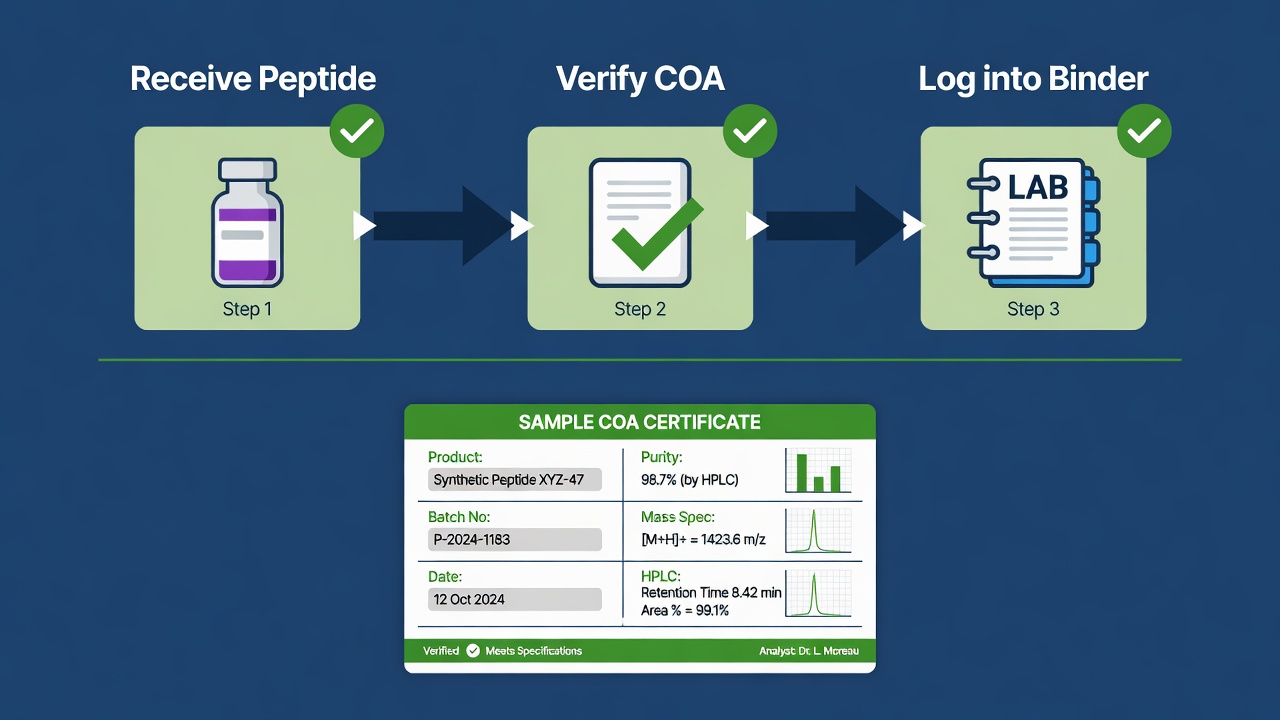
Migration assays matter because they provide a functional readout that connects cytoskeletal dynamics to cell behavior. Common formats include scratch wound assays, Boyden chamber transwells, and live-cell tracking. Each format carries different sources of variability, and evaluation teams should record the assay format, pore size, matrix coating, and imaging interval when comparing papers in the 500 peptide benefits research guide.
The 500 peptide benefits research guide should treat migration data as a benchmark for internal pilot plates, not as a predictor of in vivo outcomes. A transwell migration index of 1.5 in one study may be meaningless if the team’s plate map uses a different pore size or serum concentration. That is why the binder section on 500 peptide benefits research guide themes should always include plate map and detection settings.
| Assay Format | Key Variables to Record | Documentation Priority in 500 peptide benefits research guide | Common Pitfall |
|—|—|—|—|
| Scratch wound | Wound width, serum starvation, imaging interval | Plate map, time-lapse settings, cell density | Edge effects and proliferation confound |
| Boyden chamber | Pore size, matrix coating, chemoattractant gradient | Membrane type, incubation time, fixation method | Non-migrating cells in lower chamber |
| Live-cell tracking | Frame rate, tracking software, label type | Objective, stage incubator settings, analysis threshold | Photobleaching and drift |
For further context, a PubMed search for cell migration assay reproducibility provides peer-reviewed discussions on assay variability. Teams that track 500 peptide benefits research guide themes can use those sources to set acceptance criteria for their own pilot runs.
Which Documentation Practices Do 500 peptide benefits research guide Themes Emphasize?
Documentation practices emphasize lot number, receipt date, reconstitution solvent, concentration, aliquot map, plate map, and detection settings. These fields form a minimal binder entry that lets a team reproduce or audit any experiment later. If a supplier certificate of analysis states a purity percentage—such as ≥95% or ≥98%—record that exact figure; if COA is absent, request it before proceeding. This is a core tenet of the 500 peptide benefits research guide.
Cold-chain documentation is equally critical. Any deviation from recommended storage should be logged with date, duration, and temperature excursion. A small pilot plate beats a large unverified run, because the pilot plate lets the team confirm that the reconstitution solvent and aliquot map produce expected readouts before scaling up. The 500 peptide benefits research guide checklist below captures the essential fields.
- Lot number and receipt date logged on the vial and in the binder.
- Reconstitution solvent, concentration, and preparation time recorded.
- Aliquot map with freeze-thaw cycle count per aliquot.
- Plate map showing well layout, treatment groups, and controls.
- Detection settings: instrument, gain, exposure, filter set, and analysis threshold.
- Cold-chain exception log with date, duration, and temperature excursion.
When evaluating a supplier, check whether the COA is batch-specific and includes a purity percentage, molecular weight, and mass. The 500 peptide benefits research guide treats a missing COA as a red flag. For example, the Countrywide Peptides: 5 Proven Quality Standards for Labs page outlines documentation practices that align with these binder fields.
How Should Laboratory Evaluation Teams Use 500 peptide benefits research guide for Bench Controls?
Bench controls in the 500 peptide benefits research guide require tight custody, clean dedicated tools, documented cold-chain exceptions, and small pilot plates before large unverified runs. Tight custody means only authorized personnel handle the peptide stock, and every transfer is logged. Clean dedicated tools mean separate pipettes, tips, and tubes for reconstitution to avoid cross-contamination.
A small pilot plate is the cornerstone of bench control in the 500 peptide benefits research guide. Instead of running a 96-well plate with multiple conditions, start with a 12-well or 24-well pilot using one cell line and one passage. Record all readouts, then compare them against the literature benchmarks gathered earlier. If the pilot results fall within expected variability, scale up; if not, audit the documentation before proceeding.
For supplier claims, the 500 peptide benefits research guide says to verify the COA purity against the pilot readouts. A claimed purity of ≥98% does not guarantee functional consistency if the aliquot map or reconstitution solvent was not documented. The Peptide Suppliers USA: How to Choose a Trusted Source resource provides additional criteria for matching supplier documentation to bench control needs.
💡 Key Takeaway: How Should Laboratory Evaluation Teams Use 500 peptide benefits research guide for Bench Controls?
What Catalog Perspective Should Teams Apply to 500 peptide benefits research guide for Laboratory Evaluation Teams?
Catalog evaluation in the 500 peptide benefits research guide should prioritize research-labeled material, COA availability, and institutional purchasing documentation. Research-labeled means the product is explicitly sold for in vitro laboratory research only, never for human or veterinary use. A catalog listing that omits this statement should be treated with caution.
COA availability is non-negotiable in the 500 peptide benefits research guide. The COA should list the batch or lot number, purity percentage, molecular weight, and mass. If the COA is a generic PDF without a lot number, ask for the batch-specific version before purchasing. Institutional purchasing documentation includes the purchase order number, receiving date, and storage location log.
Teams can apply this catalog perspective by creating a supplier scorecard. Score each candidate on COA availability, research-use labeling, batch traceability, and support responsiveness. The 500 peptide benefits research guide does not endorse any single supplier, but Countrywide Peptides supplies research-labeled TB-500 with documentation practices aimed at institutional purchasers; support is available through the vendor’s listed email.
Where Do 500 peptide benefits research guide Themes Overlap with Supplier Vetting?
Supplier vetting overlaps with 500 peptide benefits research guide themes at the documentation layer. A supplier that provides a batch-specific COA, a clear research-use-only label, and a responsive support channel is more likely to support reproducible work. Conversely, a supplier that hides purity data or refuses to share lot numbers undermines the entire binder.
The nationwide peptides review — 7 Proven Facts (2026) article discusses how documentation practices can vary between vendors. When using the 500 peptide benefits research guide, teams should request a sample COA before committing to a large order. If the sample COA lacks a lot number or purity percentage, flag it in the supplier scorecard.
Another overlap is cold-chain documentation. A supplier that ships without temperature tracking may introduce undocumented excursions. The 500 peptide benefits research guide requires the receiving lab to log the package temperature on arrival and record any discrepancy. If the supplier cannot confirm cold-chain integrity, request a replacement or document the exception in the binder.
How Can Teams Build a Reproducible Binder Around 500 peptide benefits research guide Literature?
A reproducible binder around 500 peptide benefits research guide literature has five sections: literature triage, assay benchmarks, documentation fields, supplier scorecards, and pilot plate records. Each section should be searchable and dated, so any team member can audit an experiment six months later.
The literature triage section stores PDFs with annotated margins. For each paper, note the model system, readouts, and whether the study used in vitro or in vivo methods. The assay benchmarks section records the variables from the migration and cytoskeletal tables above. The documentation fields section holds the lot number, COA purity, aliquot map, and plate map.
The supplier scorecard section tracks COA availability, batch traceability, and support responsiveness for each vendor. The pilot plate records section logs the pilot results and the decision to scale up or audit. This structure turns the 500 peptide benefits research guide from a passive reading list into an active quality system.
| Binder Section | Key Entries | Review Frequency |
|—|—|—|
| Literature triage | PDF, model system, readouts, in vitro vs in vivo | Every new paper |
| Assay benchmarks | Format, variables, acceptance criteria | Before each pilot |
| Documentation fields | Lot, COA purity, solvent, aliquot map, plate map | Every experiment |
| Supplier scorecard | COA availability, traceability, support | Quarterly |
| Pilot plate records | Results, decision log, audit notes | After each run |
💡 Key Takeaway: How Can Teams Build a Reproducible Binder Around 500 peptide benefits research guide Literature?
Which Bench Control Metrics Should Teams Prioritize in Literature Reviews?
Bench control metrics in the 500 peptide benefits research guide prioritize those that appear consistently across peer-reviewed papers. These include migration index, wound closure percentage, fluorescence intensity ratio, focal adhesion count, and lamellipodia area. Each metric has a different sensitivity to assay conditions, so teams should record the exact method used in the literature.
Migration index is the ratio of treated to control cells that cross a membrane. Wound closure percentage is the reduction in scratch width over time. Fluorescence intensity ratio compares actin staining between treated and control wells. Focal adhesion count and lamellipodia area are image-based metrics that require automated segmentation for reproducibility.
The 500 peptide benefits research guide says to prioritize metrics that the team can actually measure in-house. If the lab lacks a live-cell imaging system, do not benchmark against time-lapse migration speed. Instead, use endpoint metrics like wound closure percentage or fixed-cell fluorescence ratios. This prevents the literature review from creating impossible benchmarks.
What Are Common Documentation Gaps in Literature That Teams Should Flag?
Common documentation gaps in 500 peptide benefits research guide literature include missing lot numbers, absent COA purity, unspecified reconstitution solvent, unreported passage numbers, and omitted cold-chain exceptions. Each gap reduces reproducibility and should be flagged in the literature triage section.
A missing lot number prevents the team from linking the published result to a specific peptide batch. Absent COA purity means the team cannot compare the published material to its own supplier. Unspecified reconstitution solvent leaves the exact preparation ambiguous. Unreported passage numbers hide a major source of variability. Omitted cold-chain exceptions mask potential degradation events.
When flagging gaps, the 500 peptide benefits research guide recommends a three-level system: red for missing lot or purity, yellow for missing solvent or passage, and green for complete documentation. A paper with red flags should not be used as a benchmark for pilot acceptance criteria. A paper with only yellow flags can be used with caveats.
How Do Literature Themes Handle Variability Across Cell Lines and Passage Numbers?
Literature themes in the 500 peptide benefits research guide handle variability by requiring explicit cell line and passage documentation. Papers that report results from HeLa, HEK293, or primary fibroblasts are not interchangeable. Each cell line has different baseline migration rates, actin organization, and response to serum.
Passage number is a second major variable. Cells at passage 5 may behave differently from cells at passage 25 due to genetic drift and senescence. The 500 peptide benefits research guide says to record the passage number for every experiment and to compare literature results only when the passage range overlaps with the team’s own cultures.
For teams working with multiple cell lines, the National Science Labs Peptides: A Researcher’s Guide discusses how supplier documentation can support consistent material across experiments. The 500 peptide benefits research guide also recommends running a pilot plate on each new cell line before using it in a full study, because even small passage differences can shift migration readouts.
💡 Key Takeaway: How Do Literature Themes Handle Variability Across Cell Lines and Passage Numbers?
FAQ
What is the core purpose of the 500 peptide benefits research guide?
The core purpose is to help laboratory evaluation teams use published TB-500 literature themes—cytoskeletal dynamics, migration assays, and documentation benchmarks—to design reproducible in vitro experiments and audit supplier claims. It never provides dosing or human use guidance.
Why does the 500 peptide benefits research guide emphasize COA documentation?
COA documentation is emphasized because lot number, purity percentage, molecular weight, and mass are the minimum fields needed to link a published result to a specific peptide batch. Without a batch-specific COA, reproducibility cannot be verified.
Can the 500 peptide benefits research guide be used for human or veterinary applications?
No. The guide and all products discussed are strictly for in vitro laboratory research purposes only. They are not for human use, not for veterinary use, and not intended to diagnose, treat, cure, or prevent any disease.
What are the most common migration assay formats covered in the 500 peptide benefits research guide?
The most common formats are scratch wound assays, Boyden chamber transwells, and live-cell tracking. Each requires documentation of variables such as pore size, matrix coating, imaging interval, and serum conditions.
How does the 500 peptide benefits research guide handle variability across cell lines?
The guide requires explicit cell line and passage number documentation. Teams should run pilot plates on each new cell line and compare literature results only when the passage range overlaps with their own cultures.
Ready to Take the Next Step?
Every product includes lot-specific documentation and third-party purity testing.
Explore Our Research Products →Free shipping on qualifying orders · Batch COA on request