
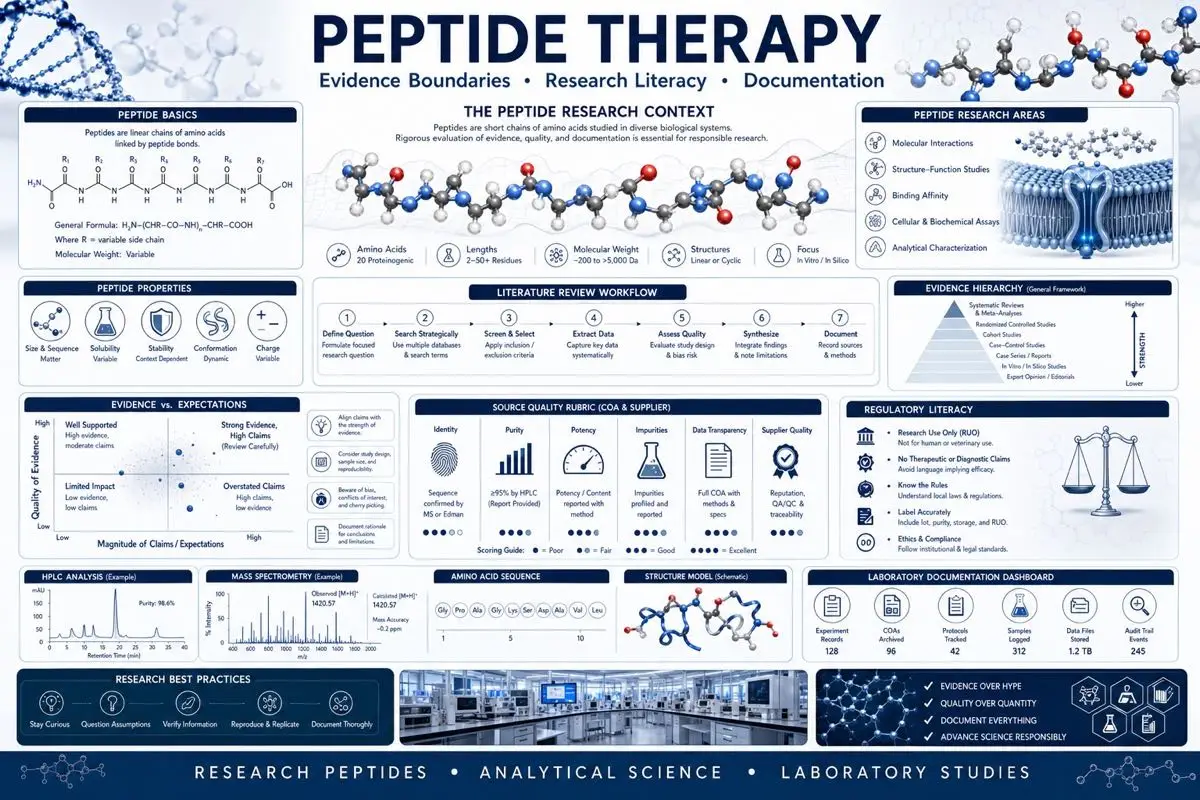
Peptide Research Education: Evidence Boundaries & Documentation (2026)
Evidence 2026: peptide research education covers study-design literacy, COA documentation, regulatory status, and safety boundaries for laboratory use only.
📋 Table of Contents
What is peptide research in an educational sense? Peptide research education in evidence 2026 centers on teaching study-design literacy, COA documentation habits, and regulatory boundaries—not on prescribing or human-use guidance. The core answer is that peptides are short amino-acid chains (typically 2–50 residues) studied as signaling molecules, but most compounds discussed in regenerative education lack large human randomized trials as of evidence 2026, so benefit language must stay research-framed and non-prescriptive.
Key takeaways
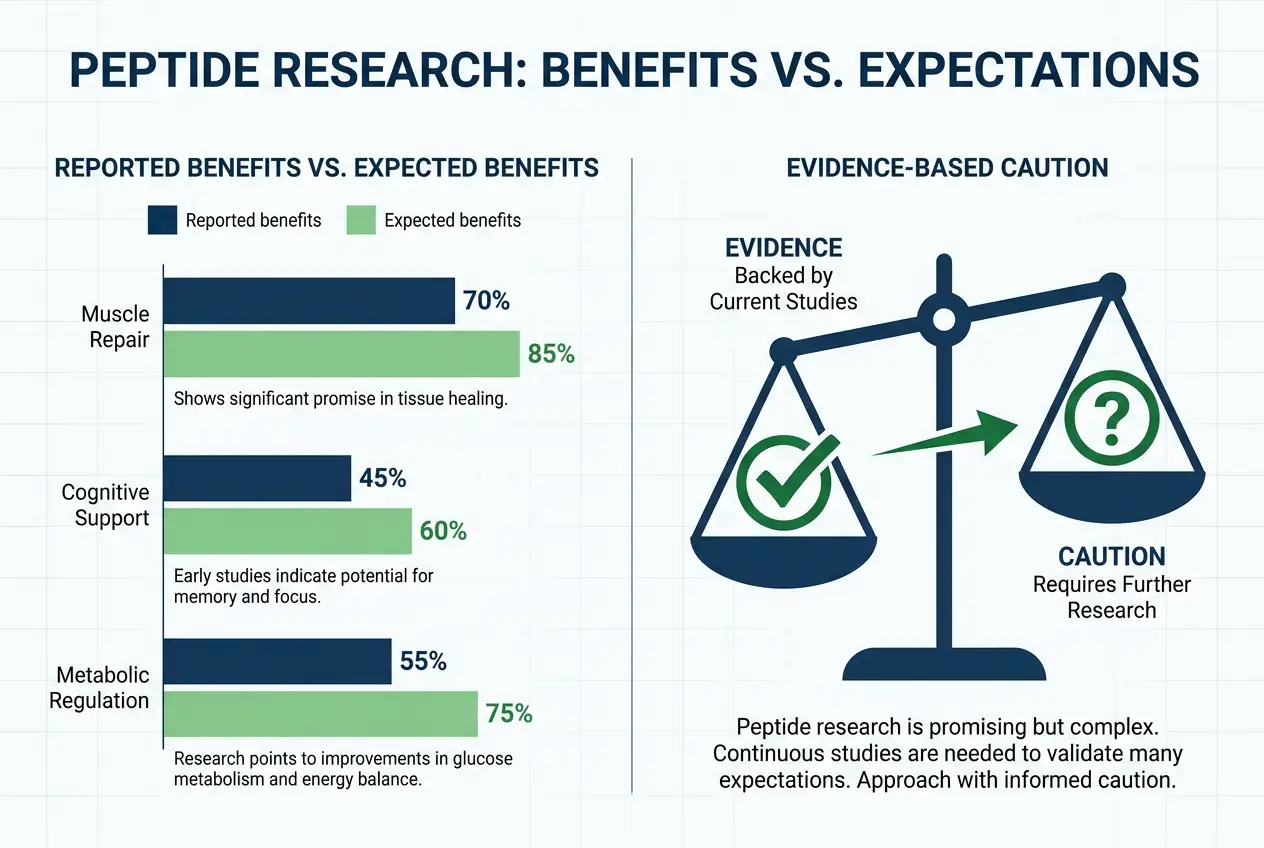
- Peptide research education works best when claims are tied to study design and endpoints, not anecdote.
- Protocol and administration language should stay research-framed and non-prescriptive in evidence 2026.
- Safety and regulatory sections must keep medical-hype language out of educational pages.
- COA and source rubrics improve research literacy across peptide research discussions.
- Regulatory status keeps shifting—verify current FDA and state guidance before citing any claim in evidence 2026.
What Is Peptide Research Education in Evidence 2026?
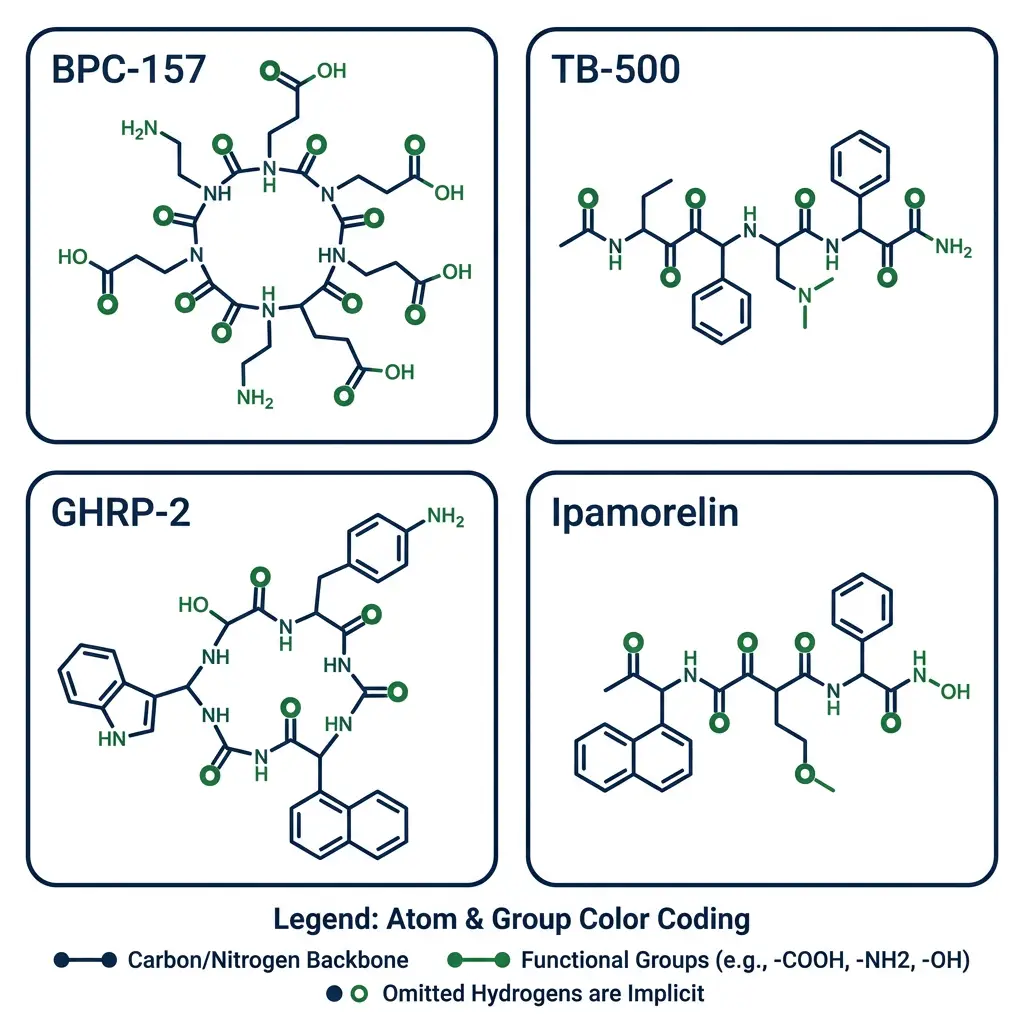
Peptide research is often discussed in regenerative and integrative education. This overview summarizes evidence boundaries, documentation habits, and regulatory context without replacing clinician judgment. Review primary literature on PubMed, and compare product documentation in our certificate of analysis resources. For laboratory research literacy, the 2026 evidence boundaries matter more than any single peptide claim.
A regenerative physician with nearly two decades in integrative medicine reports meeting many research audiences seeking faster recovery and improved aging. Peptide research is often requested. The physician weighs optimism with safety, guided by evidence 2026.
Peptide research discussions describe short amino acid chains studied for influence on biological processes such as tissue repair, hormone release, inflammation, and metabolism. Many peptides work as targeted messengers, often with fewer side effects than broad hormone treatments.
In evidence 2026, human trials are still limited for most compounds discussed in this space, and social media hype can outpace science. Specialty preparation regulations add complexity. With these factors in mind, peptides are considered only after lifestyle evaluation. The following sections outline benefits, risks, protocols, and approaches to safe decision-making.
Research Note: Understanding Peptide Research Through Scientific Education
Information here supports laboratory research education and literature literacy. It is not clinical advice and does not describe approved medical treatments.
Research Note: Peptide Research Outline and Value Framework
This guide offers clinical insight, evidence 2026, practical use, lab monitoring, and safety advice. These points foster informed discussion rather than falling for hype.
Before reviewing literature protocols, clarify what peptide research means in educational discussion and how pathways are studied in biological systems.
Peptides are short amino acid chains (typically 2–50 residues) that act as signaling molecules. In therapy, synthetic or bioidentical versions target receptors with high specificity. Key mechanisms include:
- Receptor activation—e.g., BPC-157, influencing growth factor pathways and angiogenesis.
- Hormone secretagogue action—e.g., CJC-1295/Ipamorelin stimulates pulsatile GH release.
- Anti-inflammatory and repair modulation—supporting collagen deposition, gut barrier function, and tendon healing in preclinical models.
Clinical Pearl: Peptides work best as adjuncts. When motivated research audiences combine resistance training, protein optimization (1.6–2.2 g/kg), sleep, and stress management, recovery is often faster.
What Does Peptide Research Evidence 2026 Show About Benefits vs. Expectations?
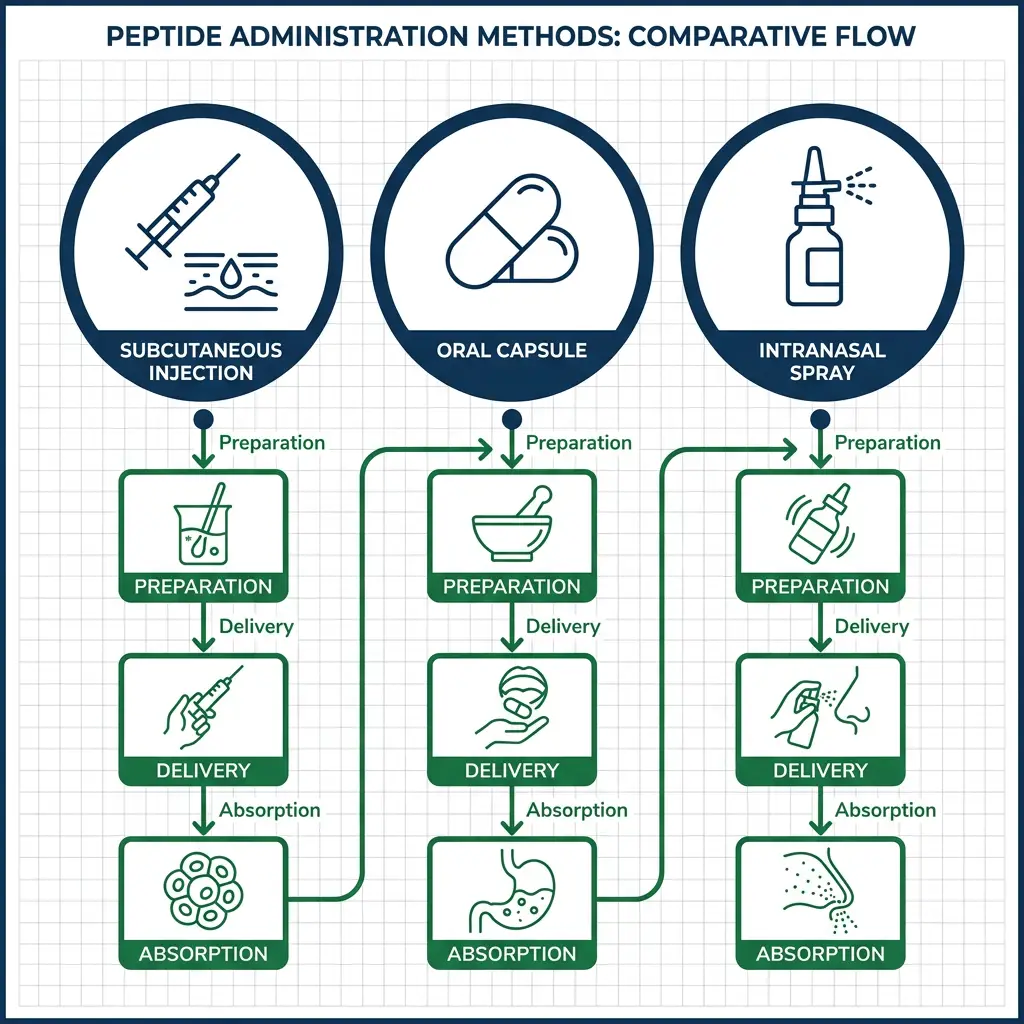
Educational discussions of peptide research often mention interest areas such as:
- Accelerated soft-tissue recovery
- Improved body composition (adipose-research endpoints plus lean mass preservation)
- Enhanced sleep and recovery
- Gut health support
- Healthy aging and resilience
What the Evidence Shows (2026 Perspective):
- BPC-157: Strong animal studies for tendon, muscle, and gut repair. Human evidence consists mostly of case series and anecdotes, with one small study showing limited pain relief. As of evidence 2026, no large randomized controlled trials have been published, so benefit language should stay preclinical-framed.
- CJC-1295 + Ipamorelin: Raise GH and IGF-1 in humans. Impact on body composition varies, especially with training. Human benefits seem modest and often reflect results achieved with optimized lifestyle changes. Long-term data are lacking.
- GHK-Cu: Moderate evidence for dermal matrix endpoints, mostly small human cosmetic studies and in vitro work. Claims should stay scoped to skin research models.
- GLP research peptides: Remain the most rigorously studied class in metabolic literature, with large human trial programs behind approved analogs. They are a useful benchmark for what a mature evidence hierarchy looks like—and a contrast that keeps expectations honest for preclinical-stage compounds.
The pattern to teach: the closer a claim sits to human randomized data, the stronger the language can be; the closer it sits to anecdote, the more hedged it must become. Peptides are most helpful when research audiences have specific deficiencies or progress has stalled despite strong lifestyle habits.
💡 Key Takeaway: What Does Peptide Research Evidence 2026 Show About Benefits vs. Expectations?
Which Peptides Are Commonly Discussed in Peptide Research Education?
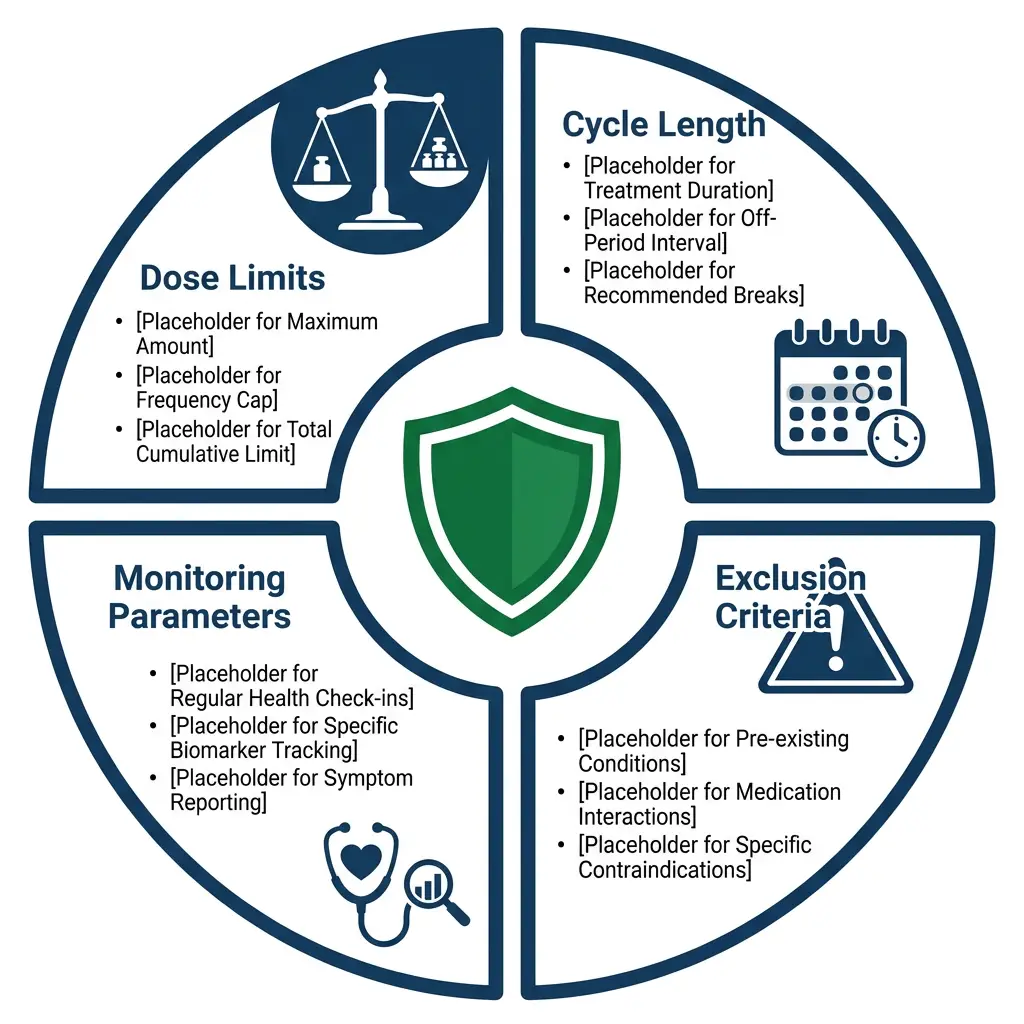
Here is a comparative table of common peptides, roles, evidence levels, and literature-reported exposure. All exposure values are research context only—not human-use instructions. Always individualized.
| Peptide | Role | Evidence | Literature-Reported Exposure* |
|—|—|—|—|
| BPC-157 | Repair and gut health support | Strong preclinical; limited human | 250–500 mcg/day in experimental literature |
| CJC-1295 + Ipamorelin | Growth hormone and recovery | Moderate | 100–300 mcg each |
| TB-500 | Repair | Preclinical | 2–5 mg |
| GHK-Cu | Dermal matrix research endpoints | Moderate | Topical or parenteral |
| Semax / Selank | Brain and nerve function | Emerging | Nasal |
*Research context only—not human-use instructions. Always individualized. Dosing is for illustration only.
When reading this table, note the evidence gap between preclinical and human data. BPC-157 and TB-500 sit firmly in preclinical territory for most endpoints in evidence 2026. CJC-1295 plus Ipamorelin have human pharmacokinetic data but modest efficacy signals. GHK-Cu has dermal research support, while Semax and Selank remain emerging. The table is not a ranking of therapeutic value; it is a literacy tool for comparing evidence boundaries.
For source-quality checks before any peptide research discussion, review Countrywide Peptides: 5 Proven Quality Standards for Labs. This page outlines COA documentation, purity verification, and storage conditions that align with evidence 2026 documentation habits.
How Are Administration Methods Described in Peptide Research Literature?
Administration methods in peptide research literature remain research-framed and non-prescriptive. The most common routes described across preclinical and limited human studies include:
- Subcutaneous injection: frequently reported for BPC-157, CJC-1295/Ipamorelin, and TB-500 in experimental models.
- Intranasal delivery: described for Semax and Selank in neurological research.
- Topical application: used in GHK-Cu dermal matrix studies.
- Oral gavage: common in animal models but rarely translatable to human research protocols.
None of these routes should be interpreted as human-use instructions. In evidence 2026, educational discussions must separate what a study describes from what a clinician might do. The literature often reports exposure ranges, but those ranges are tied to specific model systems, endpoints, and species. Do not carry them across contexts.
A documentation habit for administration discussions is to record the exact citation, model, route, and endpoint. This prevents protocol drift and keeps benefit language anchored to the original study design.
What Safety and Side-Effect Boundaries Does Evidence 2026 Support?
Safety language in peptide research education must avoid medical hype and stay within research-use boundaries. Because most compounds discussed lack large human safety databases, the default position is precautionary.
Common safety themes from preclinical and limited human reports include:
- Injection-site reactions: redness, swelling, or irritation reported in experimental subcutaneous protocols.
- Gastrointestinal changes: nausea, appetite shifts, or loose stools in some human case reports.
- Headache and fatigue: transient effects noted in growth hormone secretagogue studies.
- Allergic sensitivity: possible with any peptide preparation; requires source-quality and COA review.
Risk mitigation for research discussions includes verifying COA availability, checking purity percentage (commonly ≥98% by HPLC as a benchmark), confirming storage conditions (lyophilized powder at -20°C, reconstituted solution refrigerated and used promptly), and documenting batch numbers. These measurable attributes support evidence 2026 safety boundaries.
No peptide discussed here is approved for human use in the United States as a wellness or anti-aging intervention. Educational pages must repeat this boundary in every safety section. For supplier evaluation, see Peptide Suppliers USA: How to Choose a Trusted Source.
💡 Key Takeaway: What Safety and Side-Effect Boundaries Does Evidence 2026 Support?
What Is the Legal and Regulatory Status of Peptide Research in Evidence 2026?
Legal and regulatory status for research peptides keeps shifting. As of evidence 2026, the key boundaries are:
- Most peptides discussed in regenerative education are not FDA-approved drugs for human use.
- Compounded peptide preparations face increasing state and federal scrutiny; verify current FDA compounding policies before citing any claim.
- Research-use-only labeling does not authorize human administration.
- State pharmacy boards may restrict or prohibit certain peptide compounding practices.
Educational content must state clearly: this article is for laboratory research literacy only, not medical advice. The regulatory status in evidence 2026 changes frequently, so any claim about legality, scheduling, or approval status should include a retrieval date and primary source link.
For a practical comparison of supplier documentation standards, review National Science Labs Peptides: A Researcher’s Guide. This resource helps staff distinguish compliant research documentation from marketing language.
Why Use a Practical Framework Before Discussing Peptide Research?
A practical framework reduces hype and improves research literacy. Before any educational discussion of peptide research, use this checklist:
1. Identify the exact peptide and research question.
2. Locate the strongest available human study, then the strongest preclinical study.
3. Compare endpoints, model, and exposure ranges—do not mix species or routes.
4. Request a certificate of analysis (COA) for any product referenced; verify purity percentage and batch number.
5. Confirm storage conditions: lyophilized powder at -20°C, reconstituted solution refrigerated, use-by window documented.
6. State the regulatory boundary: research use only, not for human use.
7. Hedge benefit language according to the evidence hierarchy.
8. Log the citation and retrieval date.
This framework works because it forces staff to separate evidence 2026 from expectation. It also creates a documentation trail that supports audit-ready research literacy. For product documentation examples, see GHK-Cu vs BPC-157 for In Vitro Programs: Planning Differences.
How Should Bibliography Hygiene and Review Cadence Work for Evidence 2026?
Bibliography hygiene means every peptide research claim links to a dated, retrievable primary source. In evidence 2026, review cadence matters because new studies and regulatory updates appear monthly.
Recommended practices:
- Use PubMed or NIH databases; link to specific PMIDs when possible.
- Mark each citation with retrieval date and evidence level (preclinical, case series, RCT, meta-analysis).
- Re-review high-interest peptides quarterly; re-review regulatory status monthly.
- Archive COAs and supplier batch records alongside citations.
- Flag any citation older than five years for reassessment unless it is a foundational mechanistic study.
A quarterly review cadence keeps educational pages current. For example, if a new BPC-157 human trial appears, update the evidence hierarchy immediately and adjust benefit language. This habit prevents outdated claims from persisting into evidence 2026 discussions.
💡 Key Takeaway: How Should Bibliography Hygiene and Review Cadence Work for Evidence 2026?
Which Training Scenarios Build Peptide Research Literacy?
Training new staff requires scenario-based practice. Use these three scenarios:
1. A researcher asks whether BPC-157 accelerates tendon healing in humans. Correct response: cite the strong preclinical data, note the absence of large human RCTs as of evidence 2026, and decline to extrapolate.
2. A colleague wants to share a social media post claiming CJC-1295/Ipamorelin reverses aging. Correct response: point to modest body-composition data and missing long-term safety, then redirect to lifestyle foundations.
3. A supplier offers a peptide without a COA. Correct response: refuse the product, request batch-specific purity and storage documentation, and check Countrywide Peptides quality standards for comparison.
Each scenario ends with documentation: what was claimed, what evidence was cited, and what boundary was stated. This builds a repeatable evidence 2026 workflow.
Why Does Evidence 2026 Matter for Peptide Research Education?
Peptide research education in evidence 2026 must prioritize study-design literacy over enthusiasm. The compounds discussed—BPC-157, TB-500, CJC-1295/Ipamorelin, GHK-Cu, Semax, Selank, and GLP research peptides—span a wide evidence range. Some have strong preclinical support but no large human RCTs; others have mature human trial programs. Teaching staff to read that range honestly is the core educational task.
Every claim should be tied to a dated citation, a COA when product-specific, and a regulatory boundary. Without these habits, educational pages drift into medical hype. With them, peptide research discussions remain useful, compliant, and grounded in evidence 2026.
FAQ
What does ‘research use only’ mean for peptide research education?
Research use only means the compound is intended for laboratory or analytical study, not for human administration. Educational content must state this boundary in every safety and regulatory section. No peptide discussed here is approved for human use as a wellness or anti-aging intervention in evidence 2026.
Which peptide has the strongest human evidence in 2026?
GLP research peptides have the strongest human evidence because large randomized trial programs support approved analogs. Among the other compounds discussed, CJC-1295 plus Ipamorelin has human pharmacokinetic data but modest efficacy signals, while BPC-157 and TB-500 remain mostly preclinical as of evidence 2026.
How often should I review peptide research citations?
Review high-interest peptides quarterly and regulatory status monthly. Mark every citation with a retrieval date and evidence level. If a new human trial appears, update the evidence hierarchy immediately and adjust benefit language to stay aligned with evidence 2026.
What is a COA and why does it matter for evidence 2026?
A certificate of analysis (COA) is a document from a supplier or third-party lab that reports purity percentage, batch number, and sometimes storage conditions. In evidence 2026, COA review is a core documentation habit because it verifies that a referenced product matches the purity and identity claimed in research discussions.
Are BPC-157 and TB-500 approved for human use?
No. BPC-157 and TB-500 are not FDA-approved drugs for human use. Their evidence base is strong in preclinical models but limited in humans as of evidence 2026. Educational pages must keep all benefit language preclinical-framed and research-use-only.
Ready to Take the Next Step?
Every product includes lot-specific documentation and third-party purity testing.
Explore Our Research Products →Free shipping on qualifying orders · Batch COA on request